Introductions
Halee: Cool… What are we doing? [laughs]
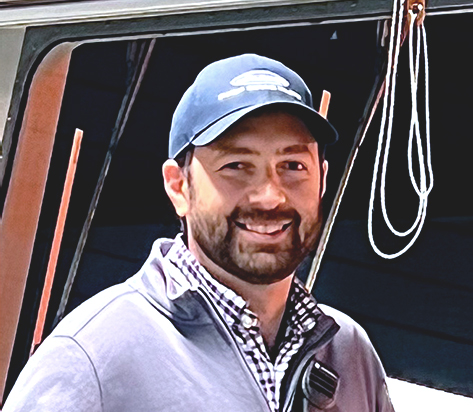
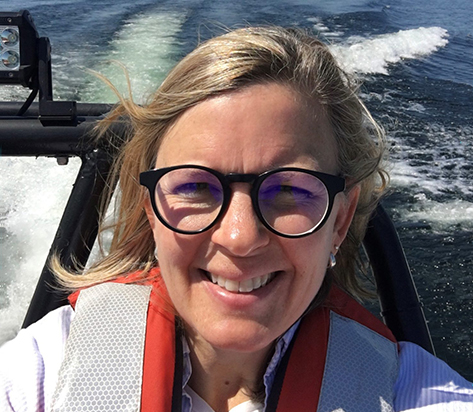
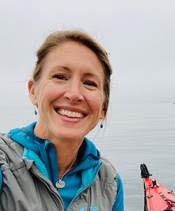
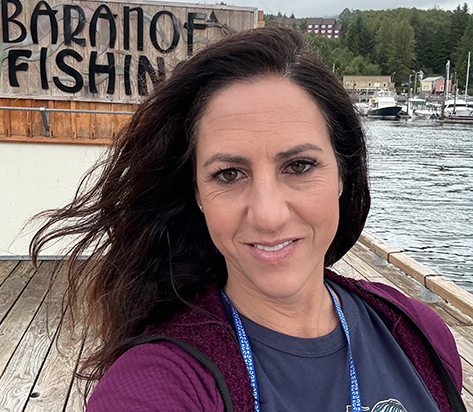
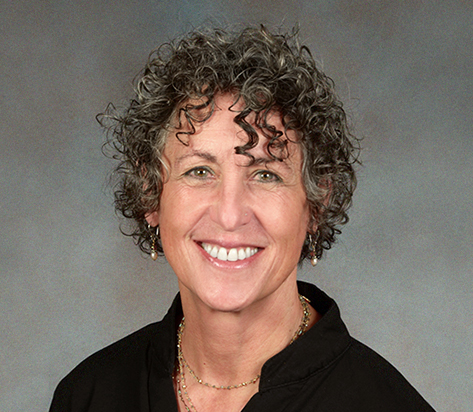
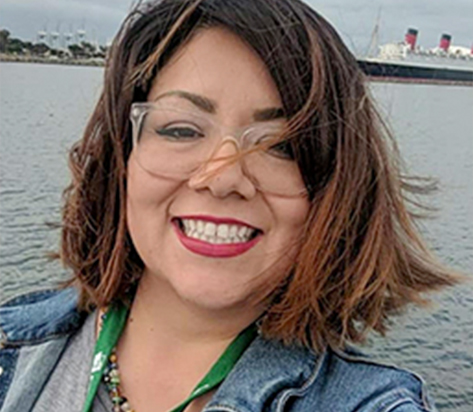
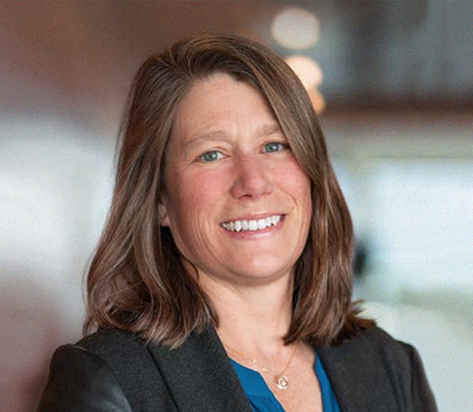
AJ: So, hi, I’m AJ. I am a captain here with Northwest Maritime. I’ve been working in maritime for about four years now, um, and most of that is working on tall ships. Some of it was working over in Maine on lobster boats. But now I’m here working on the Girls’ Boat Project, and we’re constructing a vessel, and it’s a lot of fun.
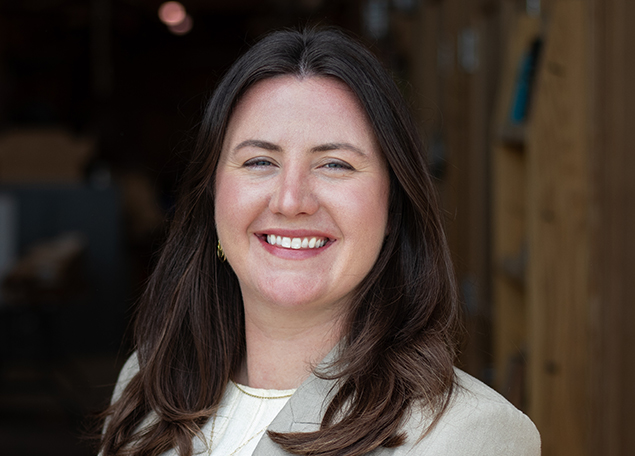
Halee: Hi, I’m Halee. I started here at Northwest Maritime in March. Uh, I am the career prep manager, which means I do a lot of instruction in our high school programs, but I also work as a captain and instructor for everything else we do. Um, I worked about 10 years on tall ships, and then I came here. So, yeah, now we’re building boats, and I’m super stoked.
What is the Girls’ Boat Project?
AJ: What is the Girls’ Boat Project?
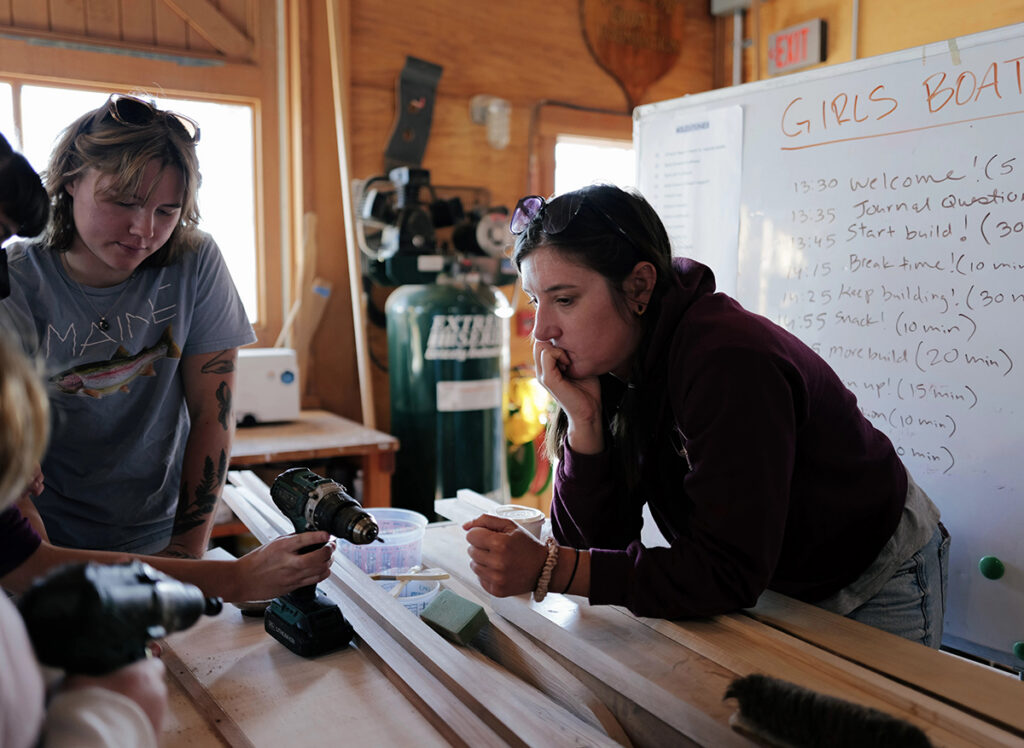
Halee: Girls’ Boat Project, it’s like a two-month course, once a week, for middle school girls and female-identifying students. Uh, it’s a good intro to get them into part of the maritime industry that is mostly male-dominated. So, just trying to show these young girls that they can do all of these things. Uh, it’s fully led by female instructors. Yeah, it’s just a really cool way to build leadership skills and confidence and some really good teamwork.
What would you tell your younger self about being a woman in a male-dominated industry?
Halee: What would you tell your younger self about being a woman in a male-dominated industry?
AJ: I would definitely tell her to trust her gut more. If something doesn’t feel like a good situation, then it probably means that it isn’t a good situation. But also, don’t let those… There’s positives and there’s negatives to each scenario. Don’t let the negatives really drag you down. Uh, and stay focused on, you know, your goals and, um, what you really want to achieve, because outside, you know, if you get dragged down by it, then it’s really easy to just kind of lose hope.
But, um, if you keep focusing on, you know, the good work that you’re doing, you know, you get to wake up, you get to be out in the middle of the ocean, you get to see things that not a lot of people get to see, you get to explore, and you get to grow in ways that you never knew was possible for yourself.
And so there’s a lot of personal growth to have, and you can’t let other people, yeah, dominate that.
Halee: I think I would have told myself to speak up more. I mean, I’m pretty loud and opinionated anyways, and always have been, um, but there’s some times I think back where, like, I should have or could have said more or done more to stand up for myself or, like, my crew members.
But there have been a handful of times, like once I became, like, a mate and a captain, where I just straight up said, like, “Yeah, if you want that, I’m quitting, and probably the whole crew’s going to come with me because it’s not safe, and we’ve talked about it, and we’re not doing that.”
And I think just, like, not, not being afraid to push back. Especially in the commercial industry, there can be a lot of, like, tough love and, like, old dudes trying to test you and see how thick your skin is and, like, what you’re capable of, and… don’t back down. Like, you know what you can do, you know why you got the job, so just, like, own it and don’t worry about them. They’ll deal with their problems later, hopefully, or not. I don’t know. Sometimes they become your best friends afterwards.
The Importance of Female Role Models
Halee: I think female role models are important, uh, like everything, if you don’t see yourself somewhere, then you don’t think that’s something you can do.
You know, like we, oh, I remember one time, uh, a woman telling her granddaughter, like, to the guy who was the captain at the time, but that was solely because I just didn’t feel like being the captain that day and was like, “Bob, you be captain. I’m gonna be mate.”
Um, he’s like an old dude with a beard, super grizzly, and she comes up and she says, “Look, that’s what a captain looks like.” And then Bob looks at me and says, “She’s a captain too.”
Um, so I think just realizing, like, captains can be anybody. And yeah, all of these jobs are transferable skills that we can all learn. Like, I know how to use a drill, and I can do all sorts of things because those are just people skills.
Um, so it’s really important to see that more women doing all of these things because that should just be normal. It’s just normal life to do what your job you feel like you want to and you can. Yeah, yeah, gender roles are silly.
AJ: I wouldn’t have been nearly as inspired to get into maritime if it wasn’t on the first boat that I worked on. My first mate was a woman, and she was absolutely incredible, and she taught me a lot of the first entry-level skills that are really necessary for just operating on a boat.
And I didn’t realize how special that was until I expanded and I left that job and I went and worked other places. Um, and she was really such an inspiration that that was a real motivator for me personally to be like, “Oh, I can do this,” and it was very, yeah, it’s very cool that way.
Halee: Yeah. My first bosun was a woman, and that was like, yeah, a hundred-and-sixty-foot-long, full-rigged ship, and she’s in charge of, like, all the maintenance on all of this, and I was like, “Whoa.”
So that was pretty cool. And she was pretty chill about everything. She didn’t stress out. She just was like, “This is what we’re doing. Do it.” And then when you’re done, she’s like, “Great, here’s your next project.”
So that was cool to see.
Building Confidence Through Boatbuilding
AJ: Well, learning a new skill definitely boosts confidence. It’s just kind of especially something that is intimidating, as, like, coming in here into a shop and, like, evaluating and, like, seeing all these tools that we have.
Um, like chisels and drills and saws and everything can be really scary at first, but I think getting some hands-on with that. And even if it’s not something that you find that you can enjoy, it can still be a way to get out of your comfort zone.
And then, you know, it kind of just gives you that boost of, like, “Okay, if I can do this, then I can jump and I can go ahead and I can try this new thing,” and you can find some sort of avenue and… [pauses] explore different things about yourself, and you can figure that out.
I also think just this whole program is about developing that confidence and developing, like, relationships and, like, leadership skills, working together as part of a crew because we’re all working towards the same goal.
And to do that, then we have to overcome conflicts and we have to find relations and, you know, it’s really about just working together and meeting up with people from different backgrounds and finding similarities in that.
The Boat Is the Least Important Part
Halee: Yeah, I think programs like this are unique because, like, a lot of our school programs are, like, they’re classes that all the people already know each other, and so the kids already have those relationships with each other. Um, but this, they’re coming from all different schools and backgrounds, different ages.
The boat is the least important part.
Um, these girls are coming here, they’re meeting each other for the first time, and they’re having to build that team and, you know, they’re learning really cool skills, but it’s also like we went from having nothing on the bench to two months later, there’s a whole boat, and it’s in the water, and they’re rowing it.
And that’s really cool as, like, a young person, um, but especially the young girl to be like, “I made this whole thing with my own hands.”
Um, and I feel like that’s something they’re going to remember for a long time, and hopefully, if there’s ever a moment in their lives where they’re like, “Nah, I can’t do this,” or, like, “No, I’m not good enough at this,” they can just look back and remember, like, “Well, I did that, and I didn’t even know what a boat was, you know, like, and I built one.”
So yeah, I think just growing that confidence and knowing that you can do whatever, you just got to go for it. Mm. I think that’s pretty important.
Halee: Yeah.
AJ: Yeah.
—
Thanks so much, AJ & Halee! Watch the interview on our YouTube channel.