Washington’s relationship with the water is central to our state’s identity. Maritime work is woven into our economy, our communities, and our history. And there’s no shortage of conversation about the maritime workforce: the coming “silver tsunami” of retirements, employers struggling to find workers, and the growing demand for skilled people across the sector. There have also been numerous studies examining particular occupations, industries, and regions.
But as we’ve worked to connect more people and communities with the sea, we’ve recognized a significant gap: we still lack a comprehensive, statewide picture of the overall demand for maritime workers in Washington, how that demand is expected to change, and whether our current workforce pipeline can meet it.
That’s why we’ve awarded High Peak Strategies a contract to conduct a statewide Maritime Workforce Demand and Pipeline Assessment. The work will be led by economist Dr. Spencer Cohen and is supported by a congressional earmark secured with Senator Cantwell’s support via the U.S. Department of Education.
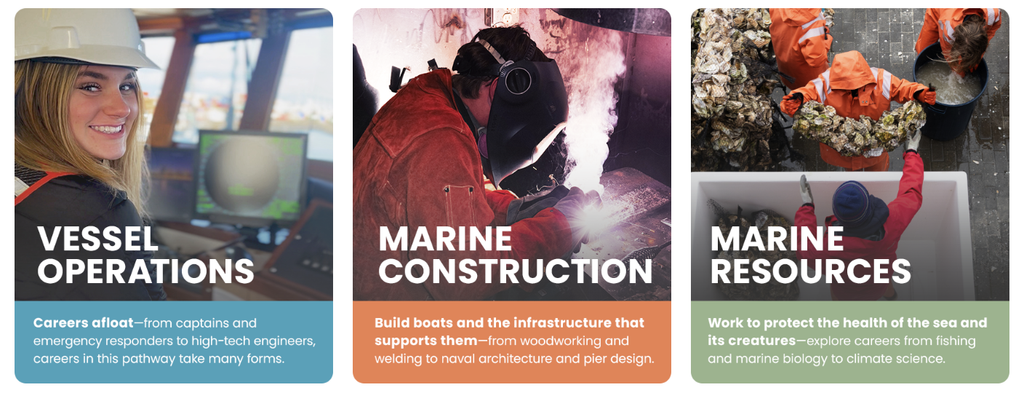
The study will look across three broad pathways:
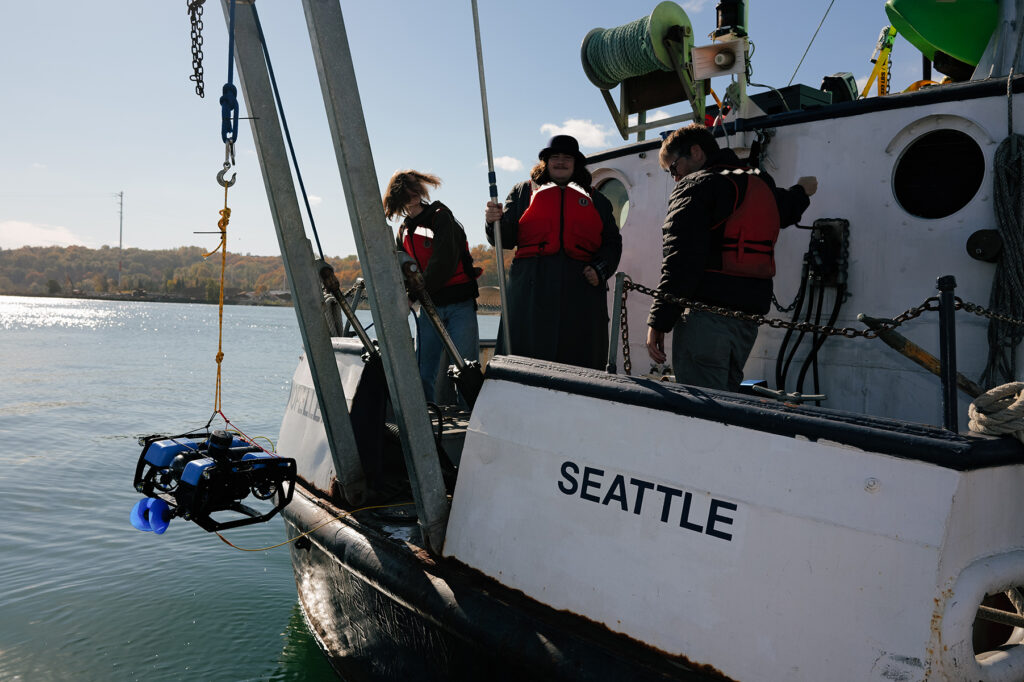
- Vessel Operations: The people who operate, crew, navigate, and maintain the vessels that move people and goods, support marine industries, and keep our waterways working.
- Marine Construction: The skilled workforce that builds, repairs, and maintains the ports, shipyards, vessels, and waterfront infrastructure we depend on.
- Marine Resources: The people whose work is connected to understanding, managing, harvesting, and stewarding the living resources of our marine environment.
These pathways encompass a wide range of jobs, skills, and career opportunities. But we don’t yet have a comprehensive picture of workforce demand across them, where the biggest gaps are, or how well current education and training programs are preparing people to enter the field.
Better data is an important place to start. We want to understand where the jobs are, what skills employers need, and where the connections between education, training, and employment could be stronger. Part of this is a data analytics question – the technical side of forecasting demand in a complex sector.
But knowing how many workers our state will need, and what skills they’ll need to bring, is just the beginning. The longer-term work is helping people across Washington see themselves in maritime, understand the role it plays in their communities, and find a way into the work.
We’re looking forward to what this study can help us learn – and to sharing the findings in the spring with the employers, educators, communities, and partners who are building Washington’s maritime future.
Read more about Blue Schools.