Northwest Maritime (NWM) is excited to announce a new partnership with the Jamestown S’Klallam Tribe and Puget Sound Restoration Fund (PSRF) to bring a pilot project in seasonal Olympia oyster restoration to the Port Townsend waterfront campus. The collaboration brings together restoration science, hands-on learning, and ocean stewardship to support the regional efforts of all three entities.
Beginning in early 2026, NWM will host a small oyster-rearing equipment setup on its campus between January and June each year. Students in NWM’s education programs will help care for and study the oysters as part of a growing suite of learning opportunities that connect students to maritime careers, their community, and the sea. The partnership creates a direct bridge between maritime learning and the real-world work of ecosystem restoration.
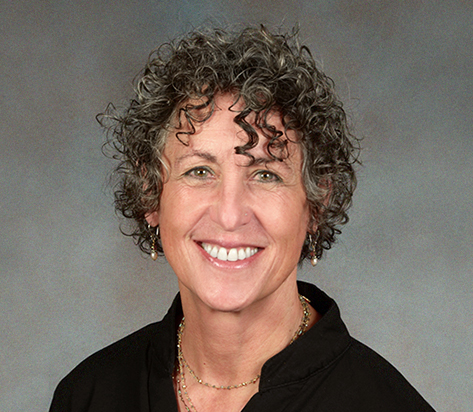
“A key component of creating transformational maritime experiences for young people,” said Simona Clausnitzer, Northwest Maritime’s School Program Manager, “is situating their learning within real-world contexts. Student growth becomes so much more meaningful when they can see how their work positively impacts the community and local ecosystem. With this goal, we are thrilled to integrate Olympia oyster restoration into our programs at NWM.”
Olympia oysters—the only native oyster species in Puget Sound—once thrived throughout the region but declined dramatically due to overharvest, pollution, and habitat loss. Today, Tribes, government agencies, nonprofits, and community partners are working together to rebuild self-sustaining native oyster populations that improve water quality, restore habitat, and strengthen ecological resilience across the Salish Sea.
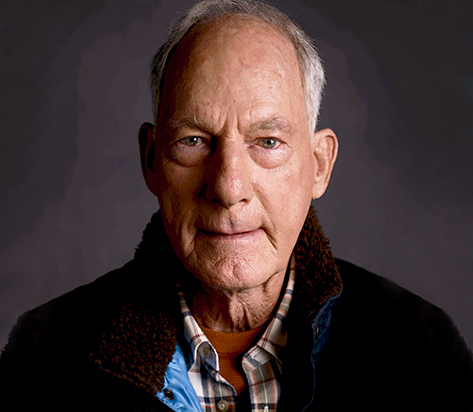
“The Tribe is excited to be part of this partnership that will help educate the next generation of stewards of the Salish Sea,” said Neil Harrington, Jamestown S’Klallam Tribe Environmental Biologist. “These oyster settling tanks will enable students to take part in the real work of restoring the culturally and ecologically important Olympia oyster to abundance in our region.”
The pilot year of the project focuses on growing restoration-grade oysters that will support ongoing work by the Whatcom County Marine Resources Committee in Chuckanut Bay, near Bellingham. As the system becomes fully integrated into campus life, students will take on roles in water-quality monitoring, conservation aquaculture, and systems upkeep—developing maritime and marine science skills that connect directly to restoration careers.
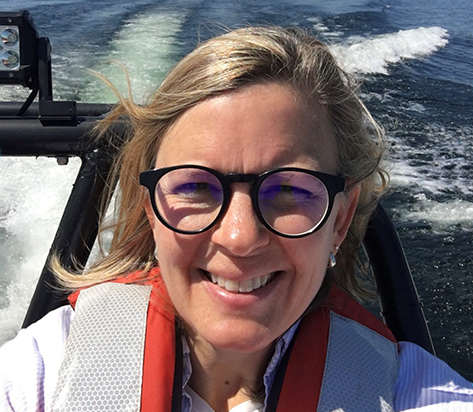
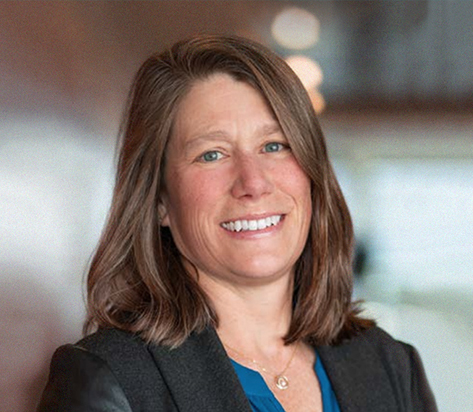
“This new partnership is exactly the type of hands-on, all-in restoration that we see as the next chapter in our small but mighty native oyster’s return to abundance,” said Jodie Toft, Executive Director of Puget Sound Restoration Fund. “With that recovery comes an increase in high-quality intertidal habitat, cleaner water, and the chance to connect the next generation to the rich marine waters around us.”
The oyster tanks will be located on the publicly accessible east end of NWM’s main building. Though the tank lids remain locked for safety, visitors will be able to see the system operating and learn from interpretive signage. When students or staff are tending the tanks, community members are welcome to stop by and observe the work underway.
By bringing together tribal expertise, restoration science, and youth-centered maritime education, this partnership strengthens the region’s restoration network while building future maritime leaders. It underscores a shared commitment to caring for the Salish Sea—together.
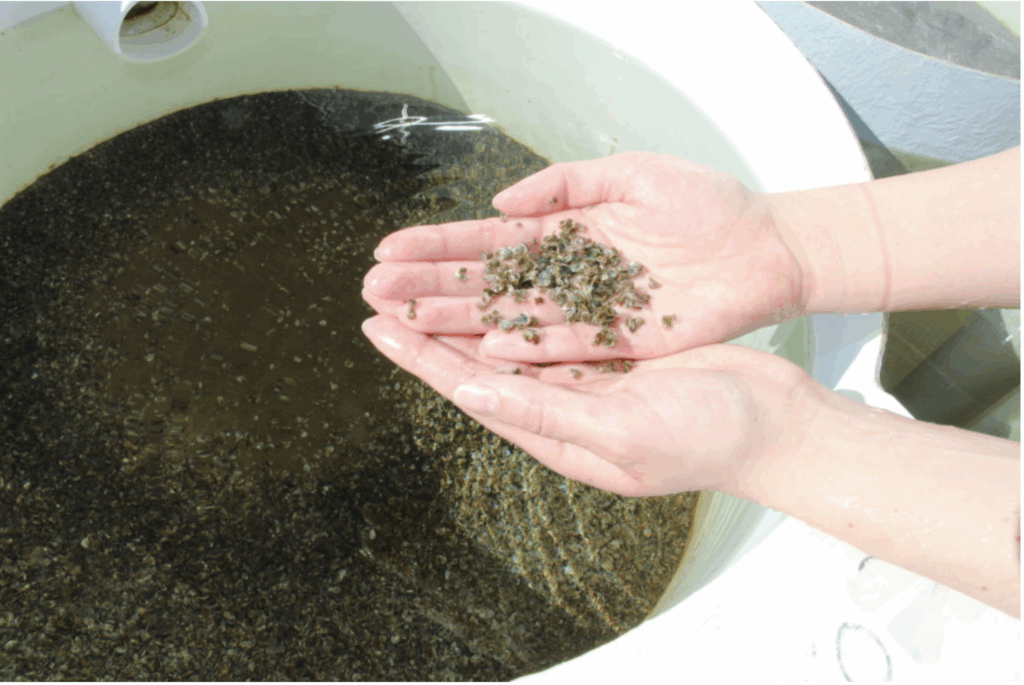
Adopt a baby oyster, support a healthy marine ecosystem!
Your gift will help cover the cost of algae paste that we feed to the oysters to help them grow and thrive.
Photo courtesy of Puget Sound Restoration Fund