By Ave Arroyo, PTMA Student
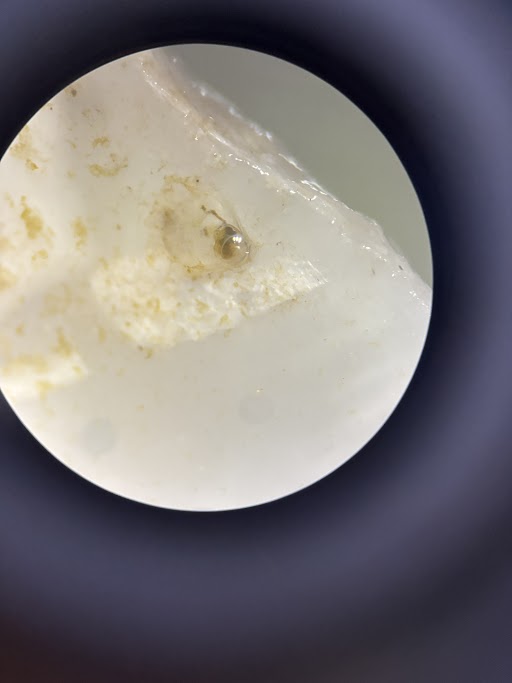
Spring is just around the corner and our young oysters are at the beginning stages of life! Larvae and young spat have begun sprouting on the shells.
They are filling up on their algae diet, and their soft microscopic shell is slowly forming to one day be the shape of its iconic armor.
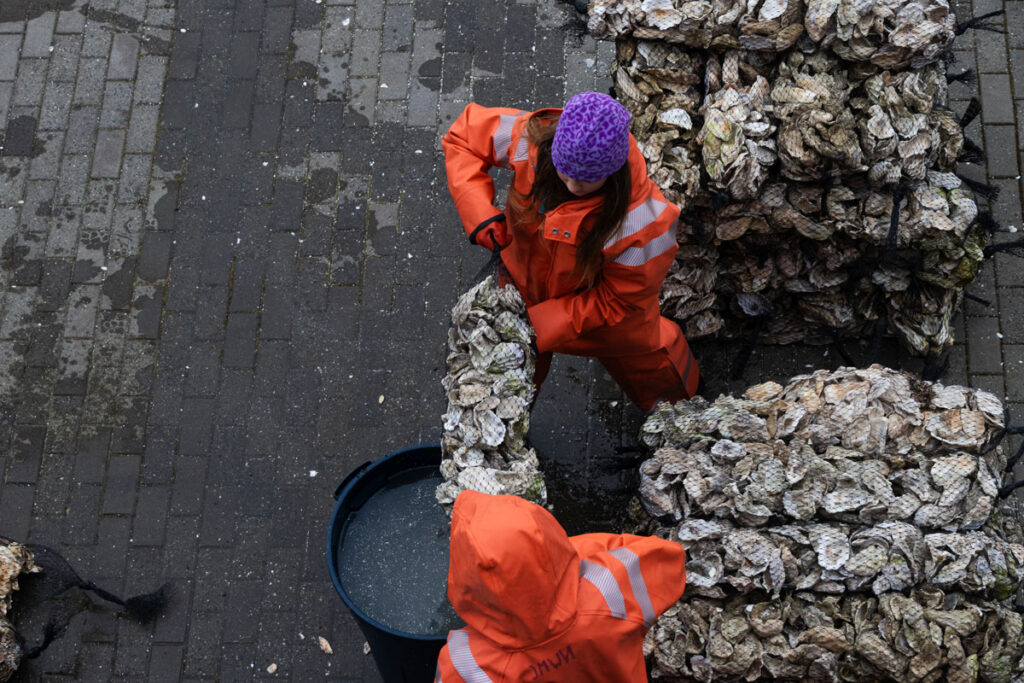
We released seven million oyster babies in the tanks here at Northwest Maritime. We will know about how many have settled on the shells as spat when we do a population estimation survey in the coming weeks. At the end of the Spring season, we will place the oysters in a nearby bay so that they may continue to grow, in a natural and protected environment, to restore the dwindling population.
Northwest Maritime’s partner, Puget Sound Restoration Fund, is working with the center to, as the Fund’s goal states, “rebuild dense, breeding populations in historical areas of abundance.”
We are all working together to restore this incredible native species and, in turn, continue to help our environment thrive.
Puget Sound Restoration Fund started their efforts in the late 90s, they were inspired and encouraged by local tribes, tideland owners, agencies—from local to federal—and many others. Their website includes many success stories, including their Dogfish Bay acres, and NWM hopes to help power the legacy forward.
As one of the caretakers working to keep these creatures safe and sound, I have many tasks on an afternoon shift.
We have two tanks containing the oysters, and a sump tank in between them to manage filtration. We try to keep everything moving like a simulated natural environment that our oysters can thrive in.
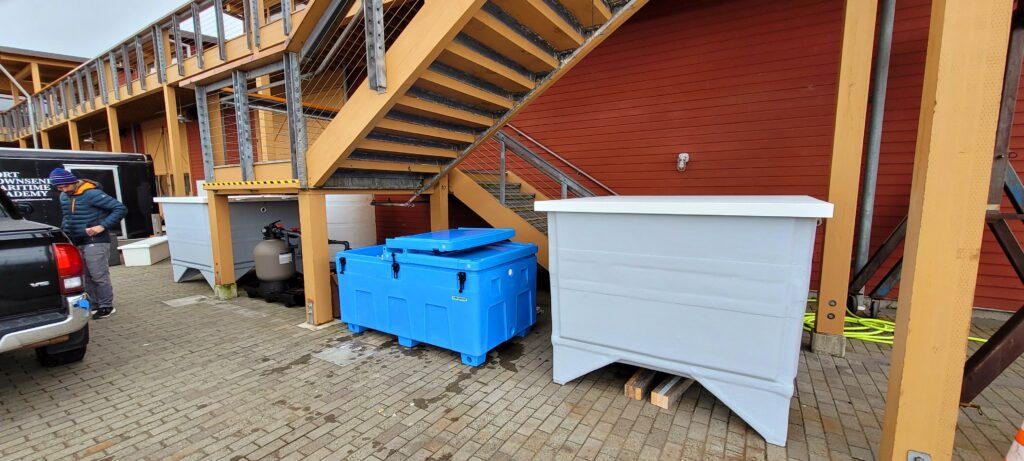
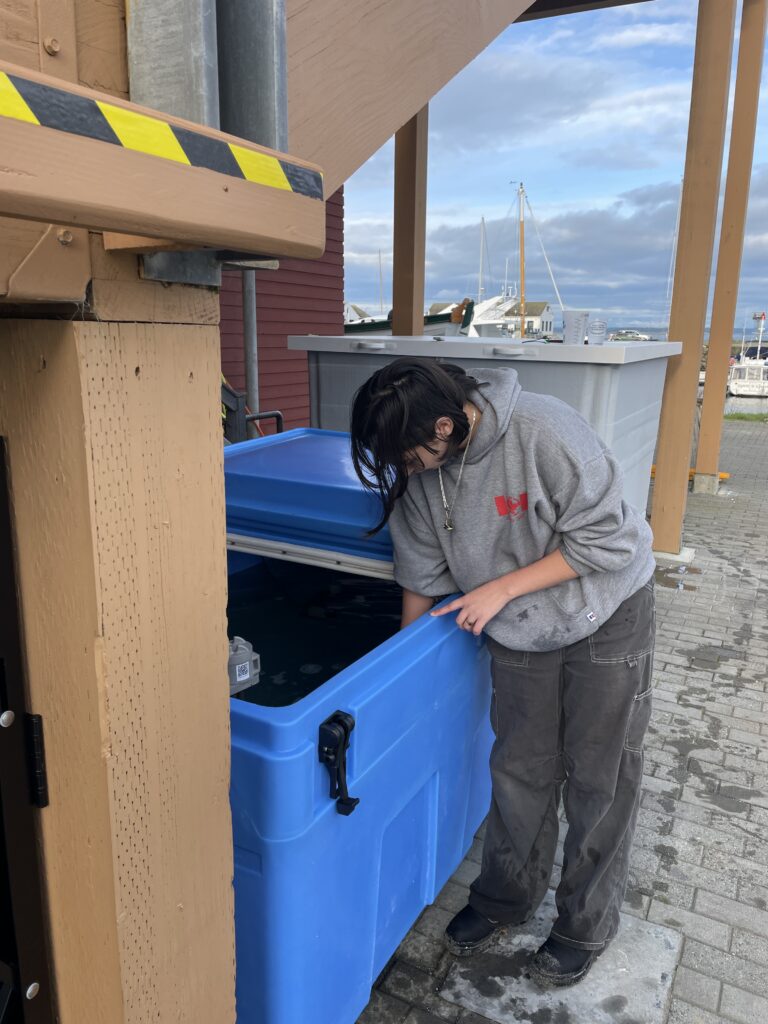
On a regular day during my shift, I usually clean out any debris from both tanks, wipe down the protein skimmer, and dump out the bucket that contains the unneeded proteins in the water that the protein skimmer cleans out and discharges, turn on/regulate the pressure of the pumps that allow water to move through the different tanks, and check tank temperature. At the end of the shift, I usually take out an oyster shell to observe under the microscope; it’s a great end to the day. Later in the month, I will help with population assessments, counting the larvae and spat on a few shells to determine the entire clutch in each tank. Every now and then, when the pH and salinity need to be tested, I’ll assist with that as well, and when needed, I’ll measure out and pour extra bacteria or toxin neutralizer in the water to keep things healthy and balanced.
FUN FACT: At the stage we are currently growing our oysters in, they are all male. Olympia Oysters are hermaphrodites and they possess both male and female reproductive systems. They will start alternating between female and male sexes as they grow older about one year after they first settle, in which that will determine their spawning role each year.
At this stage in their life, our oysters don’t do much besides focus on their growth and coexist with the zooplankton that manage to stowaway on the shells they grow on.
The oysters we work with, Olympia Oysters (Ostrea lurida), are the only native oyster species in Washington State, but their range can stretch farther north to Alaska. You’ll find these delightful shellfish in bays mostly, at higher elevation they will reside in mudflat borders, and at lower elevation they prefer eelgrass beds.
Olympia Oysters were originally a very dominant species in our waters, but their population has collapsed due to pollution and overfishing, starting in the 19th century.
Since then, a decades-long restoration has been enacted on all fronts. And in 2020, various projects to do so have restored more than 100 acres of Olympia Oysters. Puget Sound is continuing those efforts and, together, Northwest Maritime and the Puget Sound Restoration Fund hope to restore many more acres.
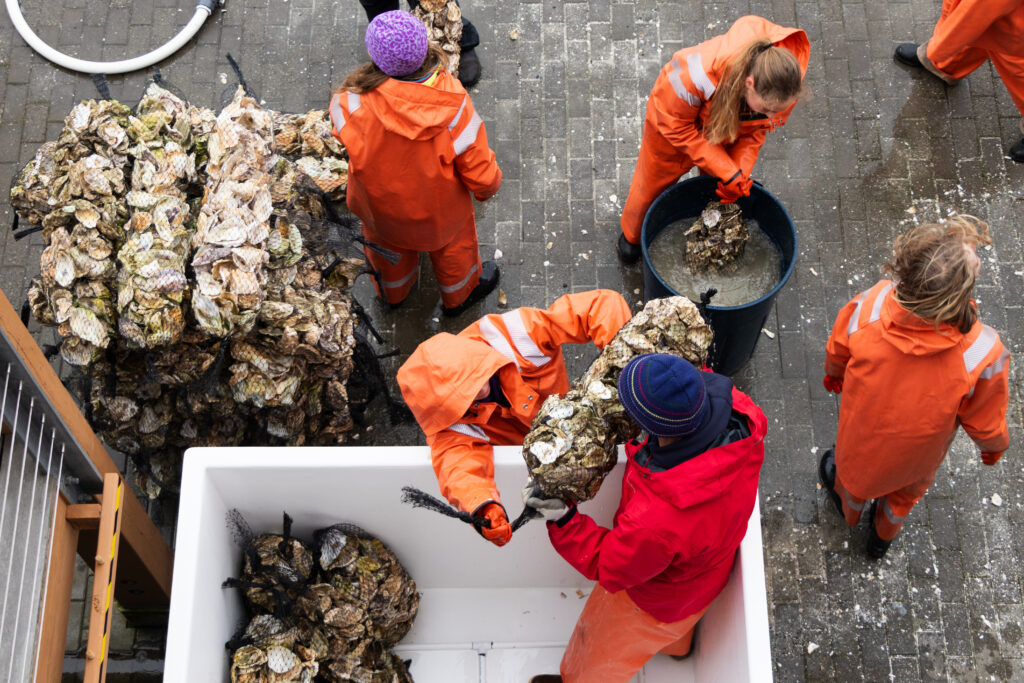
They are already well on their way with over 140 acres successfully restored as of 2025, and all of us here at Northwest Maritime are honored to be a part of the journey!
Many more updates to come as our young oysters grow, so stay tuned!
About Ave
Hi, my name is Ave Arroyo, and I’m currently one of the many amazing oyster caretakers here at Northwest Maritime. I’m a junior at Port Townsend High School, but I also attend the Port Townsend Maritime Academy right upstairs from the oyster system. Helping to work on this project really excites me, I love to learn how to study and conserve our sealife and this project contains skills and experience that I want to obtain for my future. Plus, it’s really fun to work on, I’ve always loved marine biology and I hope to keep working on things like this even after I’m done being a caretaker. For now, I’ll be writing a few blogs to document the growth of our oysters as they get older and to educate those of all ages on the wonders of our special shellfish.
SOURCES: restorationfund.org (Puget Sound Restoration Fund), Ostrea lurida (Wikipedia), A decades-long quest to restore Washington’s only native oyster sees success. (Cascadia Daily News), Small Oyster Poised for a Big Comeback (Washington Sea Grant)